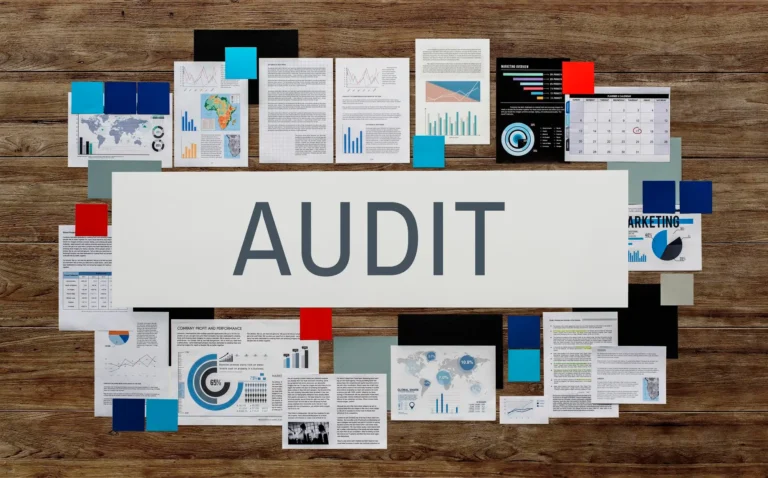
A sales tax audit is the kind of notice that freezes a business owner on the spot because it threatens your cash flow, your records, and even your sense of control. States look for underpaid taxes, and they often find issues you never knew existed. That is why sales tax audit representation and sales tax audit defense matter long before an auditor asks for documents.
In this blog, we will break down what triggers these audits, why the right help changes the outcome, and how you can protect your business before the state makes the first move.
What Is Sales Tax Audit Representation?
A sales tax audit is a review of how you collect and pay sales tax. The state checks if you charged the correct tax rate on the right sales in the right periods. They also check if you paid in full and on time. This review is the core of the sales tax audit process. States depend on this tax, so they look closely at many small details. Some rules change every year. Some rules differ by county. Many rules confuse even trained staff. During this review, every gap in your records becomes a risk. Missing invoices.
Old exemption forms. Wrong tax rates in your system. A small mistake on one sale can repeat across years. By the time an auditor adds tax, penalties, and interest, the bill can shock you. This is why sales tax audit representation exists. It means a trained expert speaks for you. They talk to the auditor for you, answer the tough questions, and keep you from saying things that harm your case. They understand how each state looks at sales, tax groups, exemptions, and returns.
Read: IRS Income Tax Audit: What You Need to Know
Who Can Represent You?
You are allowed to face the auditor alone, but this is not wise for most business owners. The state sends trained auditors. They know the rules better than anyone. They can easily ask questions that cause more review and more issues. This is why small businesses hire:
- CPAs with strong sales tax experience.
- Tax attorneys who work with state and local tax.
- Enrolled agents who work with audits often.
- Sales tax consultants who handle these cases every week.
A strong sales tax audit representation advisor knows how states think. A strong sales tax audit defense advisor knows how to push back when the state overreaches. You want someone who handles audits often, not someone who does it once in a while.
Why Professional Sales Tax Audit Defense Is Essential?
Many owners assume the state will “work with them” if they just stay polite and honest. Good manners help, but they do not replace solid sales tax audit defense and sales tax audit representation. Here’s why professional sales tax audit defense is essential:
Minimizing Audit Costs and Liabilities
Auditors look for taxes that were not charged or not paid. They use data tools and samples to find patterns. If the sample shows errors, they can project those errors over years of sales.
With sales tax audit representation, your advisor reviews your records before the auditor does. They run their own tests, find weak points early, and fix errors where they can. They prepare clear support where you follow the rules. During the audit, sales tax audit defense, focus on every finding that raises your bill. Your advisor may:
- Check the math behind any proposed balance.
- Review tax laws for each type of sale and product.
- Confirm that exemptions and credits get full weight.
This work can cut taxes due. It can also reduce penalties and interest. That is how good planning and a firm sales tax audit defense protect both your profit and your cash flow.
Ensuring Compliance and Reducing Stress
Sales tax rules change often. New products and services appear each year. What was not taxable last year may be taxable this year. It is hard to keep up on your own. Without help, you may collect tax in the wrong state or at the wrong rate. You may miss Use tax on your own purchases. You may lose track of exemption forms. All of this hurts your sales tax audit compliance. With sales tax audit representation, your advisor explains where you must collect and why.
They help you build simple rules for your staff to follow. They review your settings in your point of sale and billing tools. They help you clean up risk before the state looks. A good sales tax audit defense also cuts stress. You do not have to guess what to say to the auditor. You do not have to sit through long meetings. Your advisor handles those talks. They give you short updates in plain terms. You focus on running the business while they focus on the audit.
How Sales Tax Audit Defense Works
The state rarely shows up without warning. You will get a letter that announces the audit. Here’s how sales tax audit defense works:
Pre-Audit Preparation
The state starts with a letter. This letter lists the years, records, and the start date. Many business owners panic. What you do in the first days after that letter matters a lot. If you act fast and smart, you set up strong sales tax audit representation and sales tax audit defense from the start. In this early phase, your advisor will:
- Read the audit letter line by line and explain it.
- Ask for key reports from your systems.
- Review your prior returns and payments.
- Flag gaps in your records so you can start to fix them.
This stage is more than a file pull. It is a careful sales tax audit preparation. Your advisor also plans how to host the auditor. In many cases, they ask the state to meet at the advisor’s office, which keeps the auditor away from your staff and your daily work.
During the Audit
Once the audit starts, the auditor may ask for extra documents. They may want reports you do not use daily. They may try to expand the review. This is where sales tax audit representation protects you. Your expert handles every request. They make sure the auditor stays on the right path. They do not let the auditor dig into unrelated years or unrelated issues.
Your expert also controls sales tax audit documentation. They send only what the state needs. They send clean and clear records and keep copies of everything.
Post-Audit Defense and Appeals
After the fieldwork, the auditor issues a draft report. This draft lists extra tax, interest, and penalties. It may also explain why they made each change. This is where a strong sales tax audit defense still matters. Your advisor reviews the draft line by line. They compare each item to your records and to state law. They check whether the auditor sampled sales in a fair way. They test the math behind every number.
Your advisor speaks with the auditor about changes that do not make sense. They supply missing records and point out law sections the auditor may have skipped. Often, this step cuts part of the balance before the report becomes final. If the state stands by its numbers, your advisor may file a formal sales tax audit appeal. That document explains where you disagree and why. It also asks the state to review those parts again. You still keep control of the process because your sales tax audit defense follows the state’s appeal rules and deadlines.
In some cases, your advisor asks for a meeting with a supervisor or a hearings officer. Your sales tax audit representation then moves into a more formal setting. Clear facts, clean records, and simple law points matter a lot at this stage. If the state will not remove everything you dispute, your advisor can request payment plans or penalty relief. That is still part of real sales tax audit defense, because it protects your cash flow and keeps the business stable.
Common Challenges in Sales Tax Audits
You will handle audits with more confidence once you see where most small business owners make mistakes.
Complex Nexus Rules
Nexus decides where you must collect and remit tax. You can create a nexus with a warehouse, staff, or even remote sales above a set dollar level. Many owners do not realize they crossed a threshold in another state. They keep selling there without adding tax. During an audit, the state can ask about all states where you sold goods or services.
A strong sales tax audit defense strategy includes a nexus review. Your advisor looks at your sales by state, your staff locations, and any contractors. They compare those facts to each state’s rules. Then your sales tax audit representation team explains your nexus position to the auditor in clear terms. If the state claims nexus when the facts do not support it, your advisor pushes back.
They show why your activity does not meet that state’s level. They ask the auditor to remove those states or years from the review. This step can remove a large part of the proposed bill.
Digital Sales and New Products
Digital goods and online services create extra risk. Some states tax downloads, software as a service, and data access. Others treat those items as non-taxable. The mix can confuse any owner. If your system uses the wrong codes, you may under-collect or over-collect for years. During an audit, this shows up fast. The auditor will likely test these items. A good sales tax audit representation team reviews how you tax digital items and bundles. They check invoices that mix goods and services. They explain those mixes to the auditor so the state does not tax the same value twice.
Here, your sales tax audit defense depends on clear product lists and contracts. Your advisor may bring in a sales tax audit expert inside their firm who deals with tricky digital and industry rules. That focus can prevent large assessments on new product lines that the state does not fully understand.
Explore : Does Amending Taxes Trigger an Audit? The Complete Truth About Form 1040X
Benefits of Professional Sales Tax Audit Representation
You deserve to know what you stand to gain before you choose a specialist to help you.
Expertise and Experience
Sales tax audits look simple on the surface. An auditor checks sales, applies rates, and finds gaps. In real life, each step has traps.
A pro who handles sales tax audit representation often sees patterns before the state does. They know which industries the state targets. They know which records auditors trust most. They know where you can fix small errors before they spread across years. This background leads to stronger sales tax audit defense. Your advisor can:
- Spot weak parts of the state’s case.
- Use prior rulings and guidance in your favor.
- Suggest legal options when the auditor misreads the law.
This work keeps you from agreeing to changes that you do not really owe.
Negotiation and Settlement
Most audits do not end with a full win or full loss. They end with some form of deal.
Your advisor uses sales tax audit representation skills to talk through that deal with the state. They may ask for penalty relief if you acted in good faith and kept records. They may request interest cuts if the audit took longer because of state delays. A fair deal can matter more than a long fight.
Your advisor may use structured sales tax audit negotiation to reach a better outcome without extra hearings. If the state agrees to adjust the bill and to set terms for payment, that is your sales tax audit settlement. A smart settlement can protect your cash flow, keep vendors paid, and let you move forward without constant stress.
How to Choose the Right Sales Tax Audit Defense Professional
You can make a smart decision when you know what separates strong advisors from weak ones.
Credentials and Experience
You should not hand a complex audit to someone who only files simple returns. You need a person who lives in this area of tax. Ask how many audits they handled in the last few years. Ask if they have worked with companies like yours in size and industry. You can also ask:
- Which states they deal with the most.
- How often they reduced proposed assessments.
- How they structure fees for audit work.
A good fit gives you direct answers without vague claims. They connect their experience to your case instead of speaking in general terms.
Communication and Support
Technical skill alone does not help if you never hear from your advisor. You need clear contact and simple updates. During sales tax audit representation, your advisor should set expectations up front. You should know who handles calls, who reviews records, and how often you will get status reports. Strong sales tax audit defense also includes training for your staff. Your advisor can coach your front desk, sales team, and bookkeepers. They learn what to say, what not to say, and when to refer questions back to the advisor. That control keeps the audit focused and calm.
Pick someone who returns calls and emails quickly. Audits move on tight timelines. Late responses can hurt even a strong case.
Protect Your Business with Professional Sales Tax Audit Defense
A sales tax audit can drain your cash, expose years of mistakes, and tear apart your books before you even know what went wrong. This is where sales tax audit representation and sales tax audit defense become life-saving. Bowes & Sullivan steps in fast, shuts down messy back-and-forth with the state, fixes gaps in your records, challenges wrong claims, and fights for the lowest legal balance. You get a team that knows every phase of an audit and protects you from surprises that destroy small businesses.
You deserve steady guidance, real answers, and a defense built to win. Contact us to handle the pressure while you keep your business moving.
FAQs
What is the difference between sales tax audit representation and defense?
Sales tax audit representation means a trained professional speaks for you, manages records, and deals with the auditor. Sales tax audit defense focuses on reviewing the auditor’s findings, correcting wrong claims, and pushing for fair results. Both work together to keep the audit controlled and accurate.
Can I represent myself in a sales tax audit?
Yes, the state allows you to handle an audit on your own. The risk is that small mistakes or unclear answers can lead to higher bills or more reviews. Many owners bring in help because a specialist understands audit rules and prevents issues that are easy to miss.
How much does sales tax audit defense cost?
Costs vary based on your size, the years under review, and how complex your records are. Some professionals charge hourly, while others use fixed fees for each stage. Most owners see the cost as a practical trade-off because a strong defense often reduces the final balance.
What documents are needed for a sales tax audit?
Auditors usually ask for sales tax returns, sales reports, purchase records, bank statements, invoices, and exemption certificates. Some audits require system logs or product lists if items have different tax rules. The exact list depends on your state and how your business operates.