Many business owners face the struggle of payroll taxes, and the stress can feel overwhelming. Missing deposits, falling behind on Form 941 payments, or simply juggling too many expenses can land even the most responsible business in trouble. But the IRS offers solutions like payroll tax debt relief. With the right plan, you can protect your business, your employees, and your future.
In this guide, you’ll learn exactly what payroll tax debt means, the risks of ignoring it, and most importantly, the relief programs available in 2025. Payroll tax debt is not the end of your business; it’s a problem that can be solved with the right approach.
Understanding Payroll Tax Debt and Its Consequences
Every paycheck your business issues carries a responsibility. You withhold federal income tax, Social Security, and Medicare from your employees’ paychecks. You also owe your share of Social Security and Medicare taxes. When these funds aren’t sent to the IRS, they turn into payroll tax debt. What makes this serious is that a portion of this money never belonged to you; it was held in trust for your workers. That’s why the IRS takes unpaid payroll taxes more seriously than most other debts.
Trust Fund Recovery Penalty (TFRP) Explained
If payroll taxes aren’t paid, the IRS can go after “responsible persons.” That could be the owner, a CFO, a bookkeeper, or anyone who makes financial decisions. This is called the Trust Fund Recovery Penalty (TFRP).
The penalty is equal to the trust fund portion of unpaid payroll taxes, the amounts withheld from employees’ paychecks. In other words, if your business owes $50,000 in trust fund taxes, the IRS can hold you personally responsible for that $50,000. This is why quick action is crucial. Getting payroll tax debt relief in place early can prevent the TFRP from wrecking both your business and your personal finances.
Consequences of Unpaid Payroll Taxes
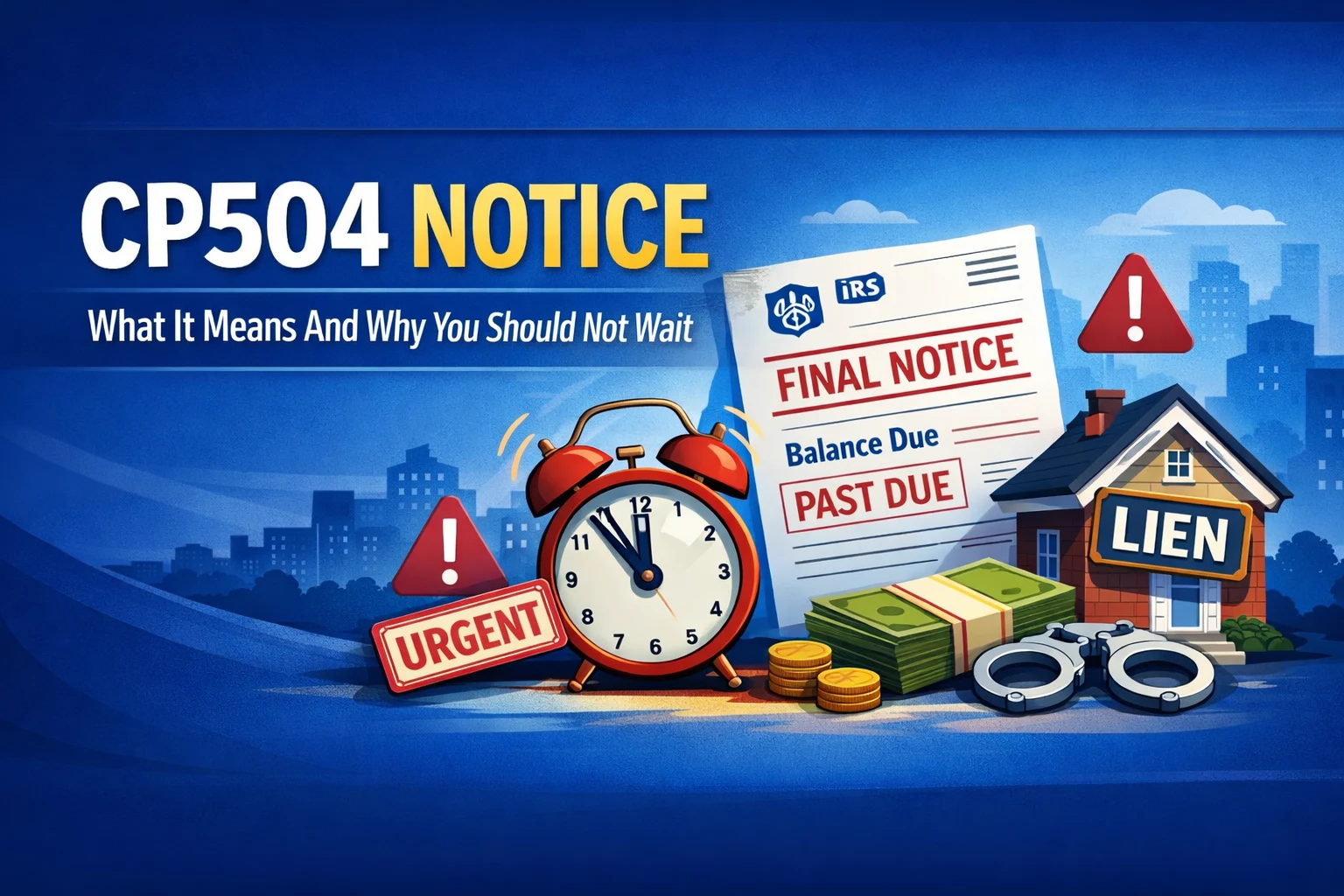
If you think ignoring payroll tax debt will make it go away, the IRS has broad collection powers. Here’s what can happen if you do nothing:
- Tax liens: The IRS can file a public lien against your business, damaging credit and scaring off customers or lenders.
- Levies: Bank accounts can be drained, and receivables can be seized.
- Asset seizures: Equipment, property, or vehicles may be taken.
- Business closure: In extreme cases, the IRS can shut down operations.
- Criminal charges: Willful failure to pay payroll taxes can even result in jail time.
Early IRS tax debt relief keeps your business alive and prevents the IRS from taking drastic action.
IRS Payroll Tax Debt Relief Options Available
The IRS doesn’t want to shut down every business that falls behind on payroll taxes. Instead, it offers programs to help you catch up in a way that matches your financial reality. The right payroll tax debt relief option depends on your cash flow, debt size, and ability to stay compliant moving forward.
Installment Agreement for Payroll Tax Debt
An installment plan lets you pay your debt in monthly payments instead of one lump sum. It works well for businesses with steady income.
- Breaks debt into manageable monthly payments.
- In-Business Trust Fund Express option for smaller balances.
- Requires all new payroll deposits to stay current.
- Missed payments can cause default.
- Often called a payroll tax installment plan.
Offer in Compromise for Payroll Taxes
If full payment isn’t possible, an Offer in Compromise (OIC) may let you settle for less. It’s strict, but it can bring major relief.
- Settle debt for less than the total owed.
- IRS reviews income, assets, equity, and future ability to pay.
- Requires full financial disclosure with Form 433-B.
- Hard to qualify for, but powerful when approved.
Currently Not Collectible (CNC) Status
For businesses unable to make any payments, the CNC status can pause collections. It gives temporary breathing room while you stabilize.
- Stops garnishments and levies.
- Does not erase debt; penalties and interest still grow.
- Meant for businesses with negative or break-even cash flow.
- IRS reviews CNC status regularly.
- Helpful for short-term payroll tax debt relief.
Penalty and Interest Abatement Programs
Penalties add up fast, but the IRS may remove or reduce them. Abatement can shrink balances and make repayment manageable.
- First-Time Abatement: one-time relief for businesses with a clean history.
- Reasonable Cause Abatement: for events beyond your control.
- Interest usually cannot be removed.
- Can save thousands in penalties.
Explore: Small Business Tax Tips and Common Mistakes
Professional Payroll Tax Debt Relief Services
Sometimes, IRS programs are too complex to handle alone. That’s when professional help makes a big difference. The right expert can guide you through the rules, protect your business, and secure stronger payroll tax debt relief.
When to Hire a Tax Professional?
Hiring help is smart when the debt is high or the IRS has already started enforcement.
- Facing liens, levies, or garnishments.
- Received a Trust Fund Recovery Penalty (TFRP) notice.
- Struggling with complex financial paperwork.
- Unsure which IRS program fits your situation.
- Need negotiation support for payroll tax debt relief.
Types of Tax Professionals for Payroll Tax Issues
Different professionals bring different skills. Choosing the right one depends on your case.
- CPAs: Certified Public Accountants who know numbers and IRS rules.
- Enrolled Agents: Licensed by the IRS to handle all tax matters.
- Tax Attorneys: Useful when negotiations are tough or criminal penalties are possible.
What to Expect from Professional Services?
Our professional team creates a plan and guides you through the process.
- Initial assessment of your financial health.
- Gathering and reviewing required IRS documents.
- Choosing the right relief option (installment, OIC, CNC, etc.)
- Handling IRS communications and negotiations on your behalf.
- Delivering a clear roadmap for lasting payroll tax debt relief.
End Payroll Tax Stress with Bowes & Sullivan → Schedule a FREE Consultation
Step-by-Step Process to Obtain Payroll Tax Debt Relief
Getting out of payroll tax trouble takes more than one phone call. The IRS wants proof, structure, and compliance. Here’s how the process usually works from start to finish.
Initial Assessment and Documentation Gathering
You can’t apply for relief without first showing the IRS a clear picture of your finances.
- Collect bank statements, payroll reports, and AR/AP aging.
- Complete Form 433-B (business financial statement)
- Make sure all past payroll tax returns are filed.
This stage lays the foundation for real payroll tax debt relief. A professional can help sort it out if it feels overwhelming.
Choosing the Right Relief Option
Not all businesses fit the same solution. Your choice depends on your financial status.
- Installment plan: best for businesses with steady income.
- Offer in Compromise: for those who cannot ever pay in full.
- CNC status: for businesses in temporary hardship.
- Penalty abatement: when first-time or reasonable cause applies.
Evaluate business health, debts, and future goals, then select the best path for payroll tax debt relief.
Application and Negotiation Process
After you pick the right relief program, submitting forms isn’t enough; you also need to work with the IRS to get approval.
- Prepare clean, complete applications to avoid delays.
- Respond quickly to IRS document requests.
- Propose payment terms that match real cash flow.
- Negotiation may include compromises on timelines or amounts.
Compliance and Ongoing Obligations
Approval is only the beginning. Staying compliant is the key to keeping relief in place. Make all payments on time, file payroll returns accurately, and utilize payroll software to ensure everything is accounted for. If that happens, the IRS can cancel the agreement and restart collection.
Alternative Solutions and Business Restructuring Options
Sometimes IRS programs alone aren’t enough. Businesses may need restructuring or legal steps to protect operations while handling payroll tax debt.
Asset Protection Strategies
Legal asset protection can save businesses from complete loss. This includes forming a new company, moving non-essential property, or clearly separating personal and business assets. Always follow advice from a legal expert; improper steps might backfire.
Business Sale and Successor Liability
Selling a company with payroll tax debt is risky. The buyer can be held responsible for old taxes if debts are hidden. Smart sellers use contracts and escrow accounts that spell out who owes what. Full honesty up front is crucial to avoid trouble after the sale.
Bankruptcy Considerations
Bankruptcy isn’t a cure-all but can sometimes help organize debt. Most payroll tax is not wiped away by bankruptcy. Penalties and interest sometimes go away, but main payroll tax debts (“trust fund” taxes) remain even if you declare bankruptcy. Tax lawyers are vital to decide if this route is worth a try.
Prevention and Best Practices for Payroll Tax Compliance
The best way to avoid future debt is prevention. These steps reduce risk and keep your business safe from payroll tax problems.
Cash Flow Management for Payroll Taxes
Prevent future debt by setting aside payroll tax money every payday. Some businesses create a separate bank account just for tax payments. Automate deposits so taxes get sent out even if you’re busy, sick, or on vacation. Planning for taxes each month keeps you out of crisis.
Technology Solutions and Automation
Use payroll software to do business tax preparation, file returns, and keep records. Integrate software with your business bank account. The best programs even flag when something’s off. Automation reduces mistakes and keeps you compliant by default.
Early Warning Signs and Intervention
Act fast if you miss a payroll tax deposit, see a warning letter from the IRS, or notice cash flow problems. Early steps mean better options for relief and less risk of interest and penalties spiraling out of control.
Real-Life Case Study
The Problem
An auto repair shop and its owner owed $300,000 in payroll tax debt. The IRS assessed the Trust Fund Recovery Penalty (TFRP) and prepared to levy bank accounts and garnish wages.
The Strategy
- CDP request filed: Stopped levies and preserved appeal rights.
- Compliance restored: All missing payroll tax returns were filed.
- Hardship package prepared: Showed cash flow and inability to pay.
- Negotiation: The attorney asked the IRS to approve the Currently Not Collectible (CNC) status.
The Outcome
- IRS placed both the business and the owner in CNC status, halting collections.
- Debt continues to accrue interest and penalties, but no levies or garnishments.
- Business gained breathing room to stabilize and stay open.
Key Takeaways
- Act fast with a Collection Due Process request.
- File all returns before seeking relief.
- Strong financial proof increases the chances of success.
Common Mistakes to Avoid in Payroll Tax Debt Relief
Many businesses fail not because relief isn’t available, but because they make costly mistakes during the process. Avoiding these errors can save time, money, and your business itself.
- Ignoring IRS notices: Delays trigger liens, tax levies, and fewer relief options.
- DIY attempts without guidance: Incomplete forms or weak financials often lead to rejection.
- Agreeing to unaffordable payments: Defaulting on a plan restarts collections and penalties.
- Choosing unreliable tax relief firms: High upfront fees with no real work can worsen debt.
- Failing to stay current on new payroll taxes: Missing fresh deposits cancels existing agreements.
- Overlooking TFRP exposure: Owners and officers can be held personally liable if trust fund taxes aren’t addressed.
Secure Payroll Tax Debt Relief with Bowes & Sullivan
Payroll tax debt is serious, but the IRS gives real ways to fix it if you act fast. With the right plan, payroll tax debt relief can protect both your business and your personal finances.
That’s where Bowes & Sullivan stands out. We take the lead on the hard parts. We handle filings, build strong financial packages, and talk directly with the IRS so you don’t have to. We help you pick the relief option you actually qualify for, and fight to reduce penalties where possible.
Contact us today and let us secure the payroll tax debt relief you need.
FAQs
Q1. Can payroll tax debt be discharged in bankruptcy?
No. Payroll taxes, especially the trust fund (withheld) portion, are generally non-dischargeable in bankruptcy. Even if you file for Chapter 7 or 13, the IRS still expects you to pay those trust fund taxes and TFRP (Trust Fund Recovery Penalty).
Q2. How long does the IRS have to collect payroll tax debt?
The IRS normally has a 10-year Statute of Limitation from the date the tax is assessed to collect unpaid taxes, called the Collection Statute Expiration Date (CSED), and it can be paused (suspended) during certain events like an installment agreement or bankruptcy.
Q3. What happens if I can’t afford the minimum installment payment for payroll tax debt?
If you can’t afford the payment, your installment agreement may default, and the IRS can resume collection actions. You can request a renegotiation, ask for CNC status, or make an Offer in Compromise if your financial hardship is severe.
Q4. Can the IRS close my business for unpaid payroll taxes?
Yes. When collection escalates, the IRS can seize assets, garnish bank accounts, levy receivables, or push for business closure. The risk is especially high if you don’t respond to notices or default on agreements.
Q5. Is it better to use business assets or personal assets to pay payroll tax debt?
It depends on your exposure and the health of the business. Using business assets may keep your personal finances safer, but if you face a Trust Fund Recovery Penalty (TFRP), the IRS can go after you personally. In some cases, combining both, where you use business cash and personal funds smartly, may be the best strategy. A professional review helps choose what asset mix gives you relief while keeping operations steady.